Choosing the Right Christmas Tree Star Topper for a Flawless Holiday Display
The holiday season is a time for warmth, tradition, and visual splendor, with the Christmas tree serving as the centerpiece of home decor. While lights, ornaments, and garlands often steal the spotlight, the Christmas tree star topper is the crowning element that ties the entire aesthetic together. It is the final touch that signals the tree is complete. However, selecting and installing this pivotal piece is frequently treated as an afterthought, leading to common issues such as instability, poor visibility, or a clash with the overall design theme. By understanding the nuances of modern topper design, particularly with the rise of customizable 3D-printed options, you can ensure your tree looks professional and polished.
Understanding the Modern Appeal of Geometric Designs
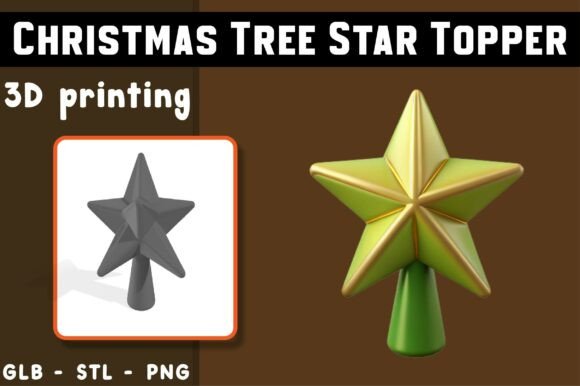
Traditional star toppers often feature intricate cutouts, glitter, or classic five-point shapes. In recent years, there has been a significant shift toward minimalism and modern geometry. A modern geometric shape with clean lines offers a sophisticated alternative that complements contemporary interior design styles. These designs rely on simplicity and festive charm rather than excessive ornamentation. The appeal lies in their ability to catch light differently, creating dynamic shadows and highlights that change as you move around the room. When you choose a topper with a hollow fitting base, you are opting for a design that prioritizes both aesthetics and functionality, ensuring it sits securely without damaging the delicate upper branches of your tree.
Common Mistakes When Selecting a Tree Topper
Many homeowners make the mistake of choosing a topper based solely on its appearance in isolation, ignoring how it interacts with the rest of the tree. One frequent error is selecting a topper that is disproportionately small or large for the tree’s height. A tiny star on a tall tree gets lost, while an oversized one can look top-heavy and awkward. Another oversight is neglecting the attachment mechanism. Traditional toppers often come with flimsy wire loops that bend easily, causing the star to tilt or fall. With 3D-printed models, the issue shifts to structural integrity and fit. If the hollow fitting base is not designed with your specific tree type in mind, it may slide off or crush the top branch.
Additionally, some buyers overlook the material properties. Glass and thin plastic can shatter or crack if handled roughly during storage. Paper or lightweight foam may look elegant but can warp in humid conditions or fade under intense LED heat. Understanding these potential pitfalls allows you to make a more informed decision, balancing beauty with durability.
The Rise of 3D-Printed Customization
The advent of accessible 3D printing has revolutionized holiday decor, allowing for highly customized Christmas tree star topper designs. These AI-generated 3D designs offer unique geometric patterns that are difficult to find in mass-produced retail items. However, this customization comes with responsibilities. Unlike buying a finished product, downloading and printing a model requires technical awareness. A common misunderstanding is assuming that "ready to print" means "print and forget." In reality, printing settings such as support structures, orientation, and material choice must be adjusted by the user according to their specific printer capabilities.
For instance, printing a star with overhanging geometric elements without proper supports can result in sagging layers or failed prints. Similarly, choosing the wrong filament can lead to a brittle topper that snaps during installation. PLA (Polylactic Acid) is popular for its ease of use and vibrant colors, but it can deform if left in a hot car or near high-heat light sources. PETG offers greater durability and heat resistance but may require different printer settings. Recognizing these variables is crucial for achieving a high-quality result.
Practical Advice for Optimal Results
To avoid the frustrations of a poorly fitted or fragile topper, consider the following practical steps before you begin your project or purchase:
- Measure Your Tree: Before downloading or buying, measure the height and width of your tree’s top section. Ensure the topper’s base diameter matches the density of your top branches. A hollow fitting base should snugly encase the central pole or main branch without requiring excessive force.
- Check Printer Settings: If you are 3D printing, review the recommended settings provided by the designer. Adjust layer height for smoother surfaces, especially on visible geometric faces. Use supports for overhangs to maintain clean lines, and remove them carefully to avoid surface marks.
- Select the Right Material: For indoor trees with standard LED lights, PLA is sufficient and offers excellent color variety. If your tree uses incandescent bulbs or is placed in a warm room, consider PETG or ABS for better heat resistance. Always test-fit the printed topper before final assembly.
- Reinforce if Necessary: If the hollow fitting base feels loose, you can add a small amount of floral wire or a custom-printed adapter ring to tighten the fit. This prevents the topper from sliding off if the tree is bumped.
Evaluating Quality and Usability
When evaluating a Christmas tree star topper, whether purchased or self-printed, focus on usability and long-term satisfaction. A well-designed topper should be easy to install and remove without shedding needles or damaging branches. Look for designs that distribute weight evenly. In 3D-printed models, infill percentage plays a role in weight and strength. A higher infill provides sturdiness but increases print time and material cost. A balance of 15–20% infill is often ideal for decorative items, offering enough strength to hold its shape while remaining lightweight.
Furthermore, consider the visual impact from a distance. Stand back from your tree to see if the topper commands attention without overpowering the ornaments. The clean lines of a geometric star should complement, not compete with, the rest of your decor. If your tree is heavily adorned, a simpler topper works best. If your decor is minimal, a more complex geometric pattern can add interest.
Final Considerations for a Perfect Finish
Adding a beautiful finishing touch to your Christmas tree with an elegant 3D printable star topper is a rewarding project that blends creativity with tradition. By avoiding common mistakes such as ignoring scale, neglecting attachment security, or misunderstanding printing requirements, you can achieve a professional-looking result. Remember that the designer is not responsible for individual printing results, so taking the time to adjust settings and materials is essential. Whether you are a hobbyist exploring 3D printing for the first time or a seasoned creator looking for fresh designs, focusing on these practical details ensures your holiday display is both stunning and stable. Embrace the process, experiment with materials, and enjoy the satisfaction of crafting a unique centerpiece for your holiday celebrations.