Creating Atmosphere with a Halloween House Lantern – Laser Cut Design
Halloween decor often walks a fine line between cheesy and genuinely atmospheric. For many homeowners and crafters, the goal is to create a setting that feels immersive without requiring extensive electrical wiring or expensive props. This is where a Halloween House Lantern – Laser Cut design becomes a compelling option. Unlike mass-produced plastic decorations, laser-cut lanterns offer a blend of architectural detail and customizable lighting that can transform a porch, mantle, or party table.
This article explores the specific appeal of laser-cut haunted house lanterns, how they compare to other decorative methods, and what factors you should consider before committing to this type of project. Whether you are a hobbyist with access to a laser cutter or someone looking for unique handmade decor, understanding the mechanics and aesthetic potential of these designs helps in making an informed choice.
The Appeal of Laser-Cut Shadow Play
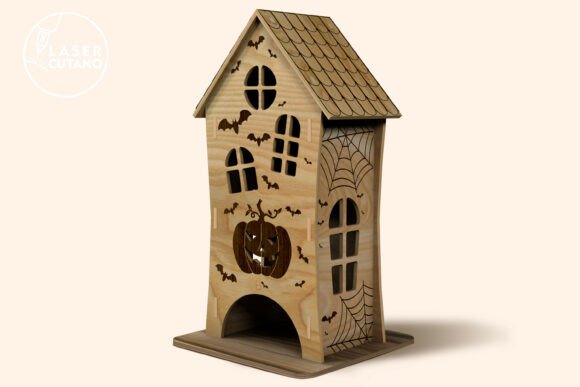
The primary distinction of a laser-cut lantern is its reliance on negative space. The design features intricate cutouts—such as bats, spider webs, and carved pumpkins—that serve a dual purpose. During the day, they provide visual interest through detailed silhouettes. At night, when paired with a light source, they project shadows onto nearby walls and surfaces. This projection effect creates a dynamic environment that static figurines simply cannot replicate.
When evaluating a Halloween House Lantern – Laser Cut model, consider the density of the pattern. Designs that are too sparse may not cast distinct shadows, while those that are overly dense might block too much light, resulting in a dim glow rather than a dramatic projection. The ideal balance allows light to escape through key thematic elements, such as the windows of the haunted house or the eyes of a pumpkin, creating focal points in the darkness.
Material Choices and Their Impact
One of the most significant decisions in creating or buying a laser-cut lantern is the material. These designs are typically compatible with plywood, MDF (Medium-Density Fiberboard), and acrylic. Each material offers a different aesthetic and functional tradeoff.
- Plywood: Offers a natural, rustic look that fits well with autumnal themes. The layered edges of plywood can add depth to the cutouts, but the grain may interfere with paint adhesion if you plan to color the piece.
- MDF: Provides a smooth, uniform surface that is ideal for painting. It lacks the natural grain of wood, allowing for crisp, clean lines in the laser cuts. However, MDF is heavier and can be more susceptible to moisture damage if used outdoors.
- Acrylic: Creates a modern, sleek appearance. Acrylic can be translucent, allowing the material itself to glow when lit from within. This is a stark contrast to wood, which relies entirely on the light passing through the holes. Acrylic is also weather-resistant, making it a better candidate for outdoor displays.
For a traditional haunted house vibe, wood-based materials like 3 mm or 2 mm plywood are often preferred because they absorb light rather than diffuse it, creating sharper, darker shadows. If you are aiming for a more ethereal or ghostly effect, acrylic might be the superior choice.
Comparison with Traditional Decor Options
To understand where a laser-cut lantern fits in the broader market of Halloween decorations, it is helpful to compare it with common alternatives.
Laser-Cut Lanterns vs. Plastic Props
Mass-produced plastic decorations are convenient and inexpensive. They often come with built-in batteries and lights, requiring zero assembly. However, they lack uniqueness and often feel disposable. A Halloween House Lantern – Laser Cut requires assembly, but this effort results in a sturdier, more personalized item. The slot-fit construction means no glue is required, which allows for disassembly and storage, extending the product's lifespan beyond a single season.
Laser-Cut Lanterns vs. Paper Crafts
Paper luminaries are a popular DIY alternative. They are cheap and easy to produce but suffer from significant durability issues. Paper tears easily, cannot withstand wind or rain, and poses a fire hazard if used with anything other than cool LED lights. Laser-cut wood or acrylic lanterns are rigid and durable. While they require a laser cutter to produce, the final product is robust enough to be reused annually, offering better long-term value for those who have access to the necessary tools.
Laser-Cut Lanterns vs. 3D Printed Models
3D printing allows for complex geometric shapes that laser cutting cannot achieve, such as fully enclosed spheres or organic curves. However, 3D printing is generally slower and more expensive per unit for flat, panel-based designs. Laser cutting excels at creating layered, 2.5D structures like houses and boxes. If your design is primarily based on flat panels assembled into a box shape, laser cutting is more efficient and cost-effective. If you need rounded, seamless forms, 3D printing might be the better route.
Practical Considerations for Assembly and Use
For those interested in creating their own Halloween House Lantern – Laser Cut project, technical compatibility is crucial. These designs are typically created for machines like xTool, OMTech, and other diode or CO2 laser cutters. The files are usually provided in multiple formats, including SVG, DXF, AI, CDR, PDF, EPS, and DWG, ensuring compatibility with software like LightBurn, Adobe Illustrator, or CorelDRAW.
Material Thickness: Most designs are optimized for specific thicknesses, commonly 3 mm or 2 mm. Using a material that is too thick can prevent the slots from fitting together, while material that is too thin may result in a loose, unstable structure. Always check the kerf width (the width of the cut made by the laser) of your specific machine, as this can affect the tightness of the slot-fit joints.
Lighting Sources: The choice of light source dramatically affects the outcome. LED candles are safe and provide a flickering effect that mimics real fire, enhancing the spooky atmosphere. Fairy lights can provide a more even, widespread glow but may require battery packs that need to be hidden within the base of the lantern. Avoid incandescent bulbs, as they generate heat that can warp acrylic or scorch wood over time.
When Is This the Right Choice?
A laser-cut haunted house lantern is an excellent choice if you value customization and atmospheric lighting. It is particularly suitable for:
- Homeowners seeking subtle decor: If you want Halloween vibes without covering your entire yard in inflatables, a lantern provides a sophisticated, localized accent.
- Crafters and makers: If you already own a laser cutter, this project offers a high reward for relatively low material cost. It is a great way to utilize scrap pieces of plywood or acrylic.
- Event planners: For Halloween parties, these lanterns can serve as centerpieces. Their ability to cast shadows adds depth to room lighting without requiring complex stage setups.
However, this may not be the right option if you are looking for a completely hands-off experience. While the assembly is glue-free, it does require patience and careful alignment of the slots. Additionally, if you do not have access to a laser cutter, sourcing a pre-cut kit may be more expensive than buying a standard plastic decoration, though the quality difference is significant.
Final Thoughts on Design and Execution
The Halloween House Lantern – Laser Cut represents a intersection of technology and traditional craftsmanship. It leverages modern digital fabrication to create something that feels timeless and eerie. By understanding the materials, lighting options, and assembly requirements, you can decide whether this approach aligns with your decorative goals.
Whether you choose to cut it yourself using ready-to-cut files or purchase a pre-assembled version, the result is a piece of decor that engages with light and shadow in a way that few other items can. It is a reminder that sometimes, the most effective scares come not from what is seen directly, but from the shadows cast on the wall.