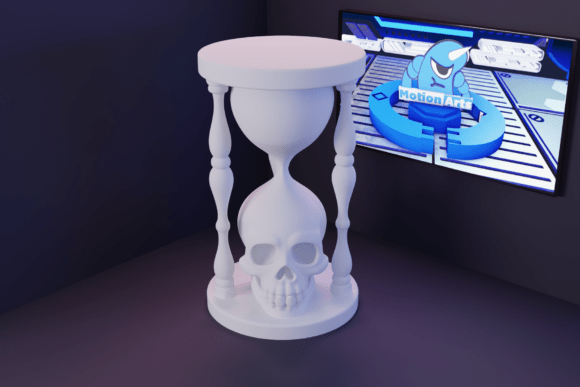
Hourglass of Death: 3D Print Gothic Decor
In the realm of dark fantasy and gothic aesthetics, few symbols carry as much weight as the Hourglass of Death. It is a potent visual metaphor for the finite nature of time, blending macabre imagery with classical symbolism. For creators, collectors, and designers, this motif offers a unique opportunity to craft pieces that are not merely decorative but deeply evocative. Whether you are building a tabletop gaming terrain, curating a Halloween display, or designing a centerpiece for a gothic interior, a 3D-printed hourglass can serve as a striking focal point.
The availability of high-quality STL files has democratized access to such intricate designs. With the right digital model, you can bring this powerful symbol into the physical world, customizing it to fit your specific vision. This guide explores how to leverage the Hourglass of Death in your creative projects, offering practical advice on printing, painting, and integrating this piece into various contexts.
The Symbolism Behind the Design
Before diving into the technical aspects of 3D printing, it is essential to understand why this object resonates so strongly. The hourglass has long been associated with Memento Mori—a reminder of mortality. When combined with skeletal elements, scythes, or dark ornate framing, the design transcends simple timekeeping. It becomes a narrative device.
For artists and storytellers, the Hourglass of Death represents urgency, fate, and the inevitable passage of time. In a diorama, it can suggest a countdown to a catastrophic event. In a home setting, it adds a layer of intellectual depth and historical intrigue. Understanding this underlying theme allows you to present the piece more effectively, whether you are selling it as a product or displaying it as part of a curated collection.
Creative Applications for Makers and Designers
The versatility of this 3D model means it can be adapted for a wide range of uses. Here are several ways different creators can integrate the Hourglass of Death into their work:
- Tabletop Gaming Terrain: Dungeon Masters and game masters can use the hourglass as a prop during critical moments in campaigns. Placing it on the table during a boss fight or a timed puzzle enhances immersion. You can print multiple copies in different scales to suit various game systems, from Dungeons & Dragons to Warhammer.
- Themed Interior Decor: For enthusiasts of gothic, Victorian, or horror-themed interiors, this piece serves as an excellent shelf accent. Pair it with old books, candle holders, or dried botanicals to create a cohesive vignette. The stark contrast of a white or bone-colored print against dark wood shelves creates a visually striking effect.
- Photography Props: Photographers specializing in dark art or fashion can use the hourglass as a central prop. Its intricate details catch light and shadow beautifully, adding texture and depth to compositions. It works particularly well in still-life photography where mood and atmosphere are paramount.
- Educational Tools: Educators teaching history, literature, or philosophy can use the model to discuss themes of mortality and time. It provides a tangible object for students to analyze, bridging the gap between abstract concepts and physical reality.
Optimizing Your 3D Print Results
While the digital file provides the foundation, the final quality of your Hourglass of Death depends heavily on your printing process. Since this is an AI-generated 3D design, it is crucial to approach the slicing phase with attention to detail. Here are some practical recommendations to ensure a successful print:
Choosing the Right Material
The material you select will significantly impact the aesthetic of the final piece. PLA is a popular choice for its ease of use and wide color range. Matte black or bone-white PLA can enhance the gothic vibe without requiring extensive post-processing. For a more translucent, eerie effect, consider using resin if you have access to an SLA printer. Resin captures fine details exceptionally well, which is ideal for the macabre intricacies often found in these designs.
Support Structures and Orientation
Given the complex geometry of an hourglass, particularly if it features skeletal hands or ornate framing, support structures are likely necessary. Orient the model to minimize overhangs while preserving surface quality on visible areas. Review the file in your slicer software carefully. Generating supports manually may yield better results than automatic generation, allowing you to place them in less conspicuous areas that are easier to clean up.
Post-Processing Techniques
Once printed, the real artistry begins. Sanding away support marks ensures a professional finish. For those who enjoy painting, this model offers a fantastic canvas. Consider using washes to highlight the recesses and dry brushing to accentuate raised details. A simple gray primer followed by a black wash can instantly age the piece, giving it an ancient, weathered appearance that aligns with its symbolic meaning.
Adapting the Model for Different Audiences
One of the strengths of digital manufacturing is the ability to customize. If you are creating content for social media or selling prints, consider how different variations might appeal to distinct segments of your audience.
For collectors, focus on precision and detail. Highlight the intricacy of the STL file and the quality of the print. Use high-resolution macro photography to showcase the texture and craftsmanship. Emphasize the uniqueness of the piece as a limited-edition item.
For gamers, durability and scale are key. Offer the model in sizes compatible with standard miniature bases. Discuss how it integrates into gameplay mechanics, such as tracking turns or representing a curse. Use action shots of the hourglass on a game board to demonstrate its utility.
For interior designers, presentation is everything. Show the hourglass in a styled environment. Discuss color palettes that complement the piece, such as deep reds, charcoal grays, and metallic golds. Position it as a conversation starter that adds personality to a room.
Legal and Ethical Considerations
When working with digital assets, especially those labeled as AI-generated, it is important to be transparent. The disclaimer associated with the Hourglass of Death STL file notes that actual printed results may vary. Always inform your customers or audience that the model is a digital design and that final outcomes depend on individual printer settings and materials. This builds trust and manages expectations.
Furthermore, respect intellectual property rights. If you are modifying the STL file, ensure you have the license to do so. If you are selling prints, verify the commercial use terms provided by the creator. Ethical practices not only protect you legally but also contribute to a healthy and sustainable creator community.
Final Thoughts on Bringing Darkness to Life
The Hourglass of Death is more than just a 3D model; it is a tool for storytelling and expression. By understanding its symbolic weight and mastering the technical aspects of printing and finishing, you can create pieces that resonate with viewers on a deeper level. Whether you are a hobbyist looking to expand your collection or a professional designer seeking unique props, this model offers endless possibilities.
Remember that creativity thrives on experimentation. Do not be afraid to try different materials, paints, and display methods. Each iteration brings new insights and opportunities for refinement. As you integrate this gothic element into your projects, you contribute to a rich tradition of art that confronts the mystery of time with beauty and craftsmanship. Let the sand run, and let your creativity flow.