Quetzalcoatl in 3D: Bridging Ancient Myth and Modern Digital Craft
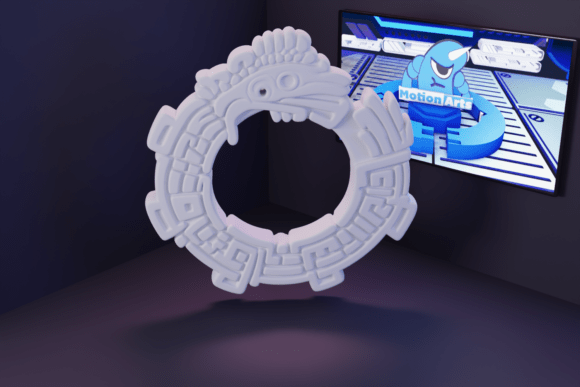
The intersection of ancient mythology and modern technology offers a unique lens through which we can view history. Few symbols are as iconic or as deeply revered as Quetzalcoatl, the Feathered Serpent deity of Mesoamerican cultures. Today, this legendary figure is experiencing a renaissance not just in academic study, but in the vibrant world of 3D printing and digital art. By exploring the Quetzalcoatl 3D model, enthusiasts and creators are able to relive the power and wisdom of ancient civilizations, transforming historical reverence into tangible, physical objects.
This article explores the significance of Quetzalcoatl, the technical aspects of bringing such a complex figure into the digital realm, and how hobbyists and collectors can integrate these models into their creative workflows. Whether you are a student of history, a lover of Mesoamerican culture, or a maker looking for your next great print, understanding the context behind this design enhances the experience of creating it.
The Legend of the Feathered Serpent
To appreciate the weight of a Quetzalcoatl sculpture, one must first understand the deity itself. Quetzalcoatl was not merely a god; he was a fundamental force in the Aztec and Toltec cosmologies. His name derives from the Nahuatl language, combining "quetzal" (the resplendent quetzal bird, known for its vibrant green plumage) and "coatl" (serpent). This duality represents the union of earth and sky, matter and spirit.
In ancient texts, Quetzalcoatl is described as the god of wind, air, and learning. He was often associated with the planet Venus, appearing as both the morning and evening star. Unlike many deities who demanded blood sacrifice, Quetzalcoatl was frequently portrayed as a benevolent creator who gifted humanity with maize (corn), arts, crafts, and knowledge. This distinct characteristic makes him a symbol of wisdom and creation, resonating deeply with modern creators who use tools like 3D printers to bring ideas to life.
When designers create a 3D model of Quetzalcoatl, they are not just replicating a monster or a beast; they are attempting to capture the mystical energy of a deity who represented the breath of life. The intricate details found in original Aztec art—such as the layered feathers, the serpentine scales, and the ceremonial regalia—are crucial elements that convey this grandeur.
From Stone to STL: The Digital Transformation
The transition from stone carvings and codex illustrations to STL files is a fascinating journey of digital preservation and artistic interpretation. An STL (Stereolithography) file is the standard format for 3D printing, representing the surface geometry of a three-dimensional object without any representation of color, texture, or other common CAD model attributes.
Creating a high-quality Quetzalcoatl STL requires a deep respect for the source material. Designers often draw inspiration from original Aztec artifacts, such as the famous stone statues found in the Templo Mayor museum in Mexico City or the intricate murals of Teotihuacan. The goal is to ensure that every detail is carefully crafted to convey the sacred nature of the symbol.
Key Design Considerations
- Anatomical Accuracy: The blend of avian and reptilian features must be seamless. The feathers should not look like simple textures but rather like structured, overlapping layers that catch the light.
- Cultural Symbolism: Authentic models often include specific iconographic elements, such as the conch shell wind jewel (ehcacailacozcatl) worn by the deity, which symbolizes his role as the god of wind.
- Structural Integrity: For a model to be printable, it must be optimized. Overhangs need support, and thin features like feather tips must be thickened slightly to prevent breaking during the printing process.
Modern software allows for AI-generated 3D designs to assist in this process, helping to visualize complex organic shapes. However, human oversight remains essential to ensure cultural respect and historical accuracy. The resulting file is a bridge between the ancient past and the digital present, optimized for accurate and stable 3D printing.
Practical Guide to Printing Quetzalcoatl
For collectors and makers, downloading the file is only the first step. Printing a complex figure like the Feathered Serpent requires attention to detail and an understanding of your equipment. Here is how you can approach this project to achieve the best results.
- Selecting the Right Material:
- PLA (Polylactic Acid): Ideal for beginners. It is easy to print, comes in various colors (including metallic golds and greens that suit the deity), and produces sharp details.
- Resin (SLA/DLP): For those seeking museum-quality detail, resin printing is superior. It captures the fine textures of scales and feathers much better than filament-based printers, though it requires more post-processing.
- Slicer Settings:
Your slicer software translates the STL into instructions for your printer. For a Quetzalcoatl model, consider using a lower layer height (e.g., 0.1mm or 0.12mm) to smooth out the curves of the serpent’s body. Support structures are critical; use tree supports if available, as they are easier to remove from intricate organic shapes without damaging the model.
- Post-Processing and Painting:
Once printed, the real magic happens. Sanding away support marks and applying a primer prepares the surface for paint. Traditional Aztec colors included turquoise, jade green, red, and gold. Using these hues can help bring the spirit of the ancient gods to your 3D collection, making the piece not just a plastic object, but a work of art.
Cultural Appreciation vs. Appropriation
When engaging with symbols from indigenous cultures, it is vital to approach the subject with respect. Creating and displaying a Quetzalcoatl statue should be an act of appreciation for Mesoamerican heritage. Understanding the history, the mythology, and the continued significance of these beliefs to modern Indigenous communities adds depth to the hobby.
Collectors and creators are encouraged to learn about the sources of their inspiration. Many museums and cultural institutions offer digital archives of Aztec art that can serve as respectful references. By acknowledging the origins of the design and the culture it represents, makers contribute to a broader understanding and preservation of history.
Why Add Quetzalcoatl to Your Collection?
There are several reasons why this specific model appeals to a wide audience:
- Educational Value: It serves as a tactile tool for teaching history and mythology. Students and educators can use the model to discuss Aztec cosmology, art styles, and engineering.
- Aesthetic Appeal: The Feathered Serpent is visually striking. Its dynamic pose and intricate details make it a centerpiece for any shelf or display case.
- Creative Challenge: For 3D printing enthusiasts, successfully printing and finishing a complex organic model is a rewarding challenge that tests skill levels and equipment capabilities.
- Spiritual Connection: For those interested in the spiritual aspects, the model can serve as a focal point for meditation or reflection on themes of creation, wind, and wisdom.
Conclusion
The Quetzalcoatl 3D model is more than just a digital file; it is a conduit for connecting with the rich tapestry of human history. By combining the timeless allure of Aztec mythology with the precision of modern 3D printing technology, creators can produce works that are both personally satisfying and culturally significant.
Whether you are downloading an AI-generated design or a manually sculpted masterpiece, the process invites you to engage with the past in a hands-on way. As you prepare your printer, select your materials, and begin the layer-by-layer construction of the Feathered Serpent, remember that you are participating in a long tradition of storytelling and artistry. Download, print, and bring the spirit of the ancient gods to your collection, ensuring that the legacy of Quetzalcoatl continues to inspire new generations.
Disclaimer: This article discusses digital 3D models, which may include AI-generated designs. Actual printed results may vary depending on your printer, materials, and slicer settings. Always ensure you have the appropriate licenses for commercial use if you plan to sell printed copies of copyrighted designs.