Ghost in a Box: 3D Design Surprise
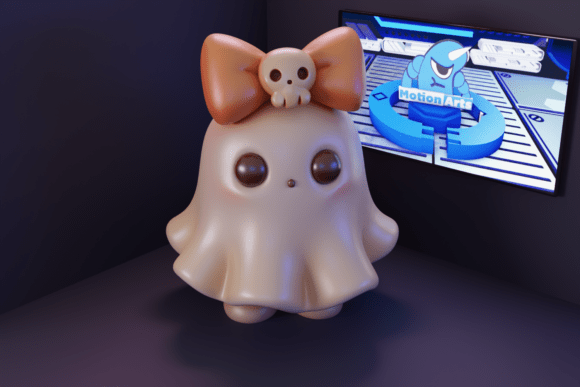
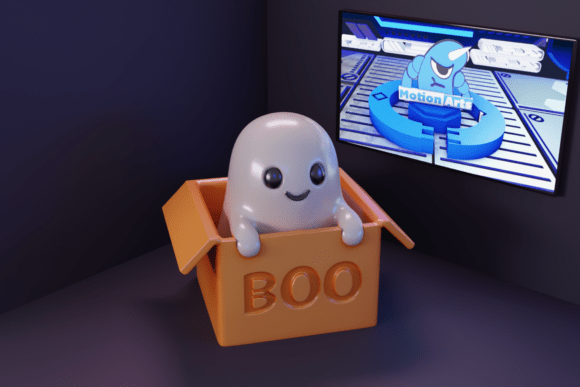
In the evolving landscape of graphic design and digital fabrication, the line between static visuals and tangible experiences is increasingly blurred. The Ghost in a Box concept exemplifies this shift, offering designers a unique blend of mystery and interactivity. This STL file features a ghost hidden inside a box, serving as more than just a Halloween decoration; it is a testament to how modern creative assets can bridge the gap between digital modeling and physical presence.
For professionals focused on brand identity and visual design, understanding the utility of such models is crucial. Whether used for prototyping, promotional merchandise, or interactive installations, the ability to integrate surprise elements into physical objects enhances user engagement. The Ghost in a Box model was created for easy printing without complex supports, making it accessible for both FDM and resin printers. This accessibility allows designers to experiment with form and function without getting bogged down by technical limitations.
Elevating Brand Identity Through Tangible Design
Integrating three-dimensional elements into your marketing materials can significantly boost brand recall. Imagine a limited-edition campaign where clients receive a custom-printed Ghost in a Box as part of their welcome kit. This tactile experience creates a memorable connection that flat social media graphics or standard packaging design might miss. It transforms a simple transaction into an event, leveraging curiosity and delight to strengthen customer loyalty.
When incorporating such elements into your design workflow, consider the following applications:
- Packaging Design: Use miniature 3D prints as structural inserts or decorative toppers that reveal a hidden message or character, enhancing the unboxing experience.
- Event Activations: Deploy these models at trade shows or pop-up shops to draw attention to your booth, serving as conversation starters that highlight your brand’s creativity.
- Merchandise: Offer high-quality, themed collectibles that align with seasonal campaigns, providing fans with exclusive items that reflect your brand’s personality.
Visual Hierarchy and Composition in Physical Space
Just as typography and color palette guide the eye in web design and editorial layouts, the composition of a 3D object dictates how it is perceived in physical space. The Ghost in a Box utilizes negative space and concealment to create visual tension. This principle of reveal-and-conceal can be applied to broader UI design and UX design strategies, where progressive disclosure keeps users engaged without overwhelming them.
For designers exploring design trends, the appeal of "mystery" in visual communication is timeless. By hiding elements within a structure, you encourage interaction. This approach mirrors effective digital marketing strategies where teasers and incremental reveals build anticipation. When evaluating such assets for your projects, prioritize models that offer clean lines and balanced proportions, ensuring they maintain modern aesthetics regardless of the printing material used.
Practical Tips for Integrating 3D Assets
To maximize the impact of files like the Ghost in a Box in your creative projects, focus on consistency and quality. Here are key considerations for seamless integration:
- Material Selection: Choose filaments or resins that complement your brand’s color palette. Matte finishes often convey sophistication, while glossy options can add a playful, premium touch.
- Scale and Proportion: Ensure the model’s size aligns with its intended use. A small desktop ornament requires different detailing than a larger display piece for advertising campaigns.
- Contextual Relevance: Align the theme with your audience’s expectations. While perfect for Halloween, the concept of "surprise" can be adapted for various seasonal or product launch contexts.
Furthermore, always review the file in your slicer software before printing. Adjusting orientation and support settings ensures a professional presentation and minimizes post-processing time. This attention to detail reflects the same rigor applied to logo design and print design, where precision is paramount.
Ultimately, the value of assets like the Ghost in a Box lies in their ability to inspire and engage. By thoughtfully selecting and implementing such design inspiration, you enhance not only the aesthetic quality of your work but also its communicative power. In a world saturated with digital noise, tangible, well-designed objects stand out, offering a refreshing touch of mystery and craftsmanship that resonates with audiences on a deeper level.
Disclaimer: This is a digital 3D model AI-generated 3D design. Actual printed results may vary depending on your printer, materials, and slicer settings. Some models may require support structures or specific orientations for successful printing. Please review the file in your slicer before printing.